How Misinformation Spreads Online (And How to Spot It)
False or misleading information can travel across social media far faster than accurate reporting. Understanding why this happens, and learning a few practical checks, can help readers separate reliable information from content designed to mislead.
Table of Contents
Why Misinformation Spreads Quickly
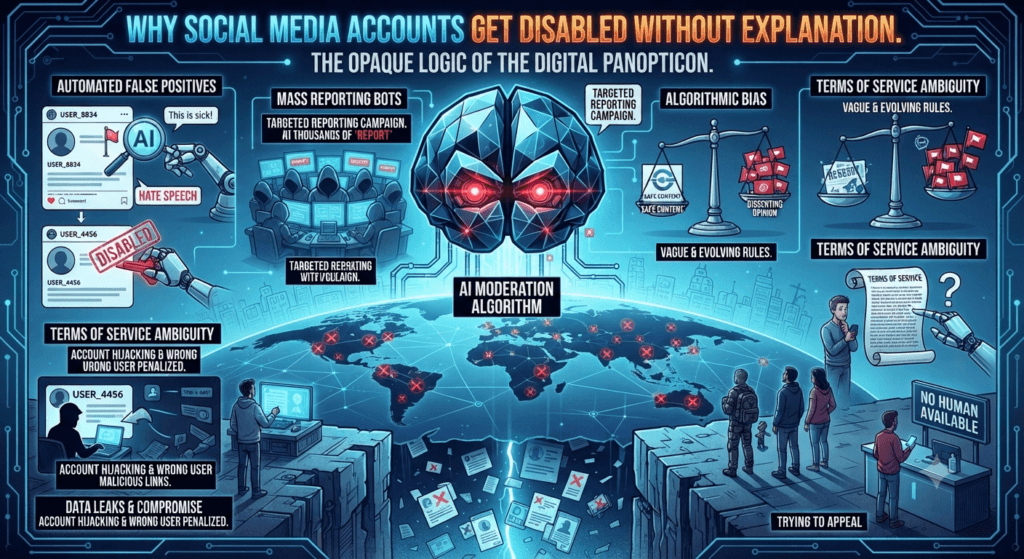
Content that triggers strong emotion, whether surprise, anger, or fear, tends to get shared more often than neutral reporting. Social media platforms are built to reward engagement, which means dramatic or emotionally charged posts often reach more people than measured, factual ones.
Repetition also plays a role. Seeing the same claim from multiple sources can make it feel more credible, even if those sources are simply repeating each other rather than verifying independently.
Did You Know?
Misinformation spreads faster than accurate information on social media because emotionally charged content—especially anger or fear—gets shared more often and reaches more people.
Simple Ways to Check What You Read
Checking whether a claim appears on established, independent news outlets is one of the fastest ways to verify information. Looking at the original source of a photo or statistic, rather than trusting a caption at face value, can also reveal important context.
Being cautious about content that has no clear author, date, or source is a simple habit that filters out a large share of unreliable material.
Key Takeaway
To spot misinformation, verify claims with established news outlets, check the original source of photos and statistics, and be cautious about content without a clear author, date, or source.
Building Better Habits
Slowing down before sharing, and treating surprising claims with a healthy amount of skepticism until verified, remains one of the most effective tools individuals have against the spread of misinformation.
Related Reading
Explore more analysis on digital literacy and media consumption:
- How pandemics are tracked and prevented — Understanding public health information systems
- Social media and family privacy — Navigating digital spaces responsibly
Explore More Media & Digital Literacy Analysis
For more research-driven analysis on media, digital literacy, and online information, explore the Media and Tech & AI categories on BareBlogs.
Posted by: BareBlogs Editorial Team
Category: Tech & AI Media
External Reference: Reuters Institute for the Study of Journalism