

Global Food Security: Causes Behind Rising Fertilizer Costs
Fertilizer might not seem like a topic that affects daily life, but its price has a direct link to how much food costs on grocery shelves. When fertilizer becomes expensive or scarce, farmers face difficult choices that eventually reach every household.
Table of Contents
Why Fertilizer Prices Rise
Fertilizer production depends heavily on natural gas, since it is a key input for making nitrogen based fertilizers. When energy prices climb, fertilizer production costs climb with them. Supply chain disruptions, export restrictions from major producing countries, and shipping delays can further tighten availability.
Because a small number of countries produce most of the world's fertilizer, any disruption in one region can affect farmers thousands of miles away.
Did You Know?
A small number of countries produce most of the world's fertilizer, so a disruption in one region can affect farmers thousands of miles away and drive up food prices globally.
The Ripple Effect on Farming
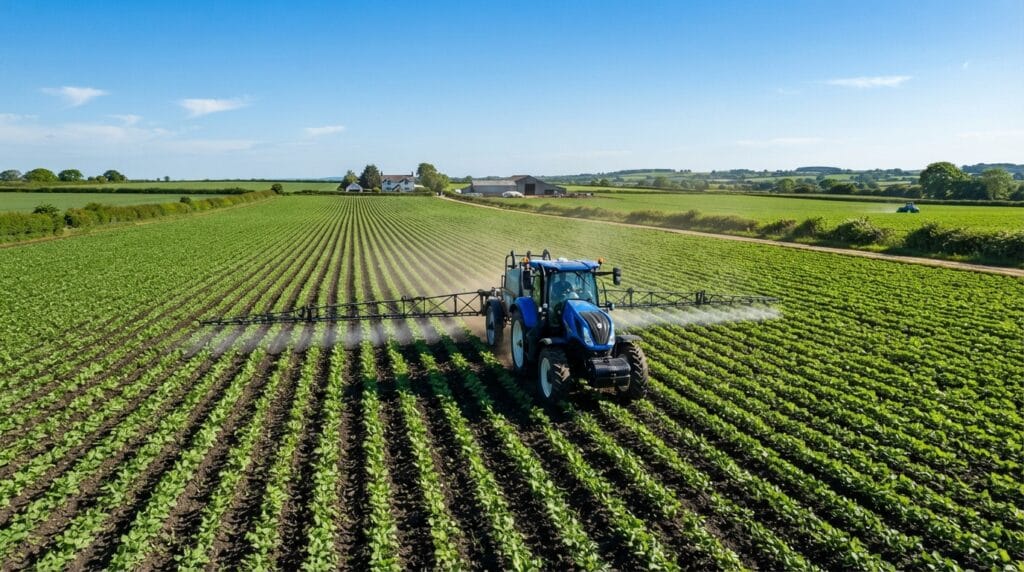
When fertilizer becomes too expensive, some farmers reduce how much they apply, which can lower crop yields. Smaller harvests mean less supply reaching the market, and reduced supply typically pushes food prices upward for consumers.
Farmers in developing regions are often hit hardest, since they have fewer alternatives and less financial buffer to absorb higher input costs.
Key Takeaway
Rising fertilizer costs don't just affect farmers. They ripple through the entire food supply chain, eventually reaching consumers in the form of higher grocery prices.
Looking for Solutions
Researchers and agricultural organizations are working on more efficient fertilizers and alternative farming techniques that reduce dependence on traditional inputs, aiming to make food production more resilient to future price swings.
Related Reading
Explore more analysis on global agriculture and food systems:
- Who controls the world's food supply chain — Understanding the key players in global agriculture
- Global oil price trends — How energy markets connect to food production costs
Explore More Agriculture & Global Food Analysis
For more research-driven analysis on food security, agriculture, and global supply chains, explore the World and Research categories on BareBlogs.
Posted by: BareBlogs Editorial Team
Category: World Research
External Reference: Food and Agriculture Organization of the UN