

In the shadowy dawn of January 3, 2026, the US Special Forces entered Caracas like eagles. Their target is Nicolas Maduro, the struggling president of Venezuela, accused of narco-terrorism and flooding the US with drugs. Explosions shaken the Caracas as US troops captured the presidential palace, arresting Maduro and his wife, Cilia Flores, in a sudden raid labelled “Absolute Resolve”. Taken to New York, the couple confronted federal charges, pleading not guilty during a global outcry.
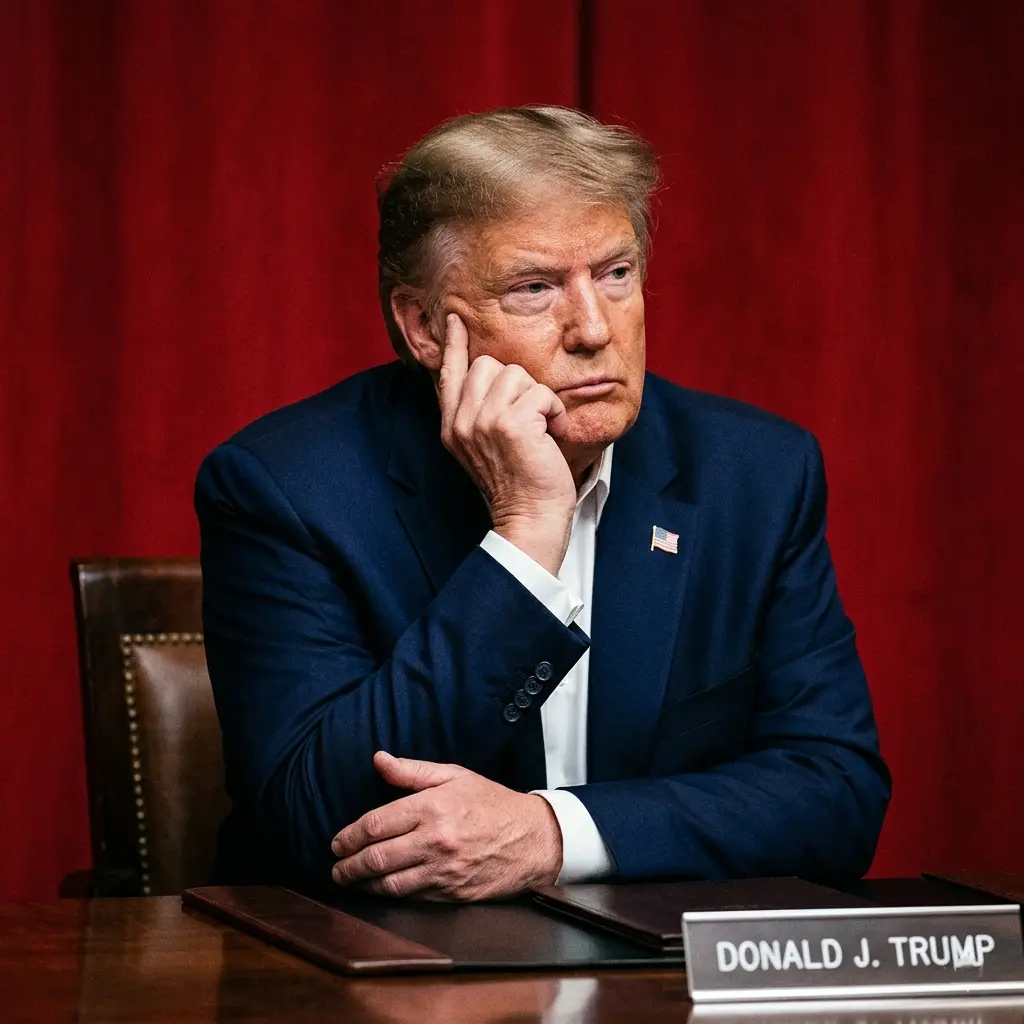
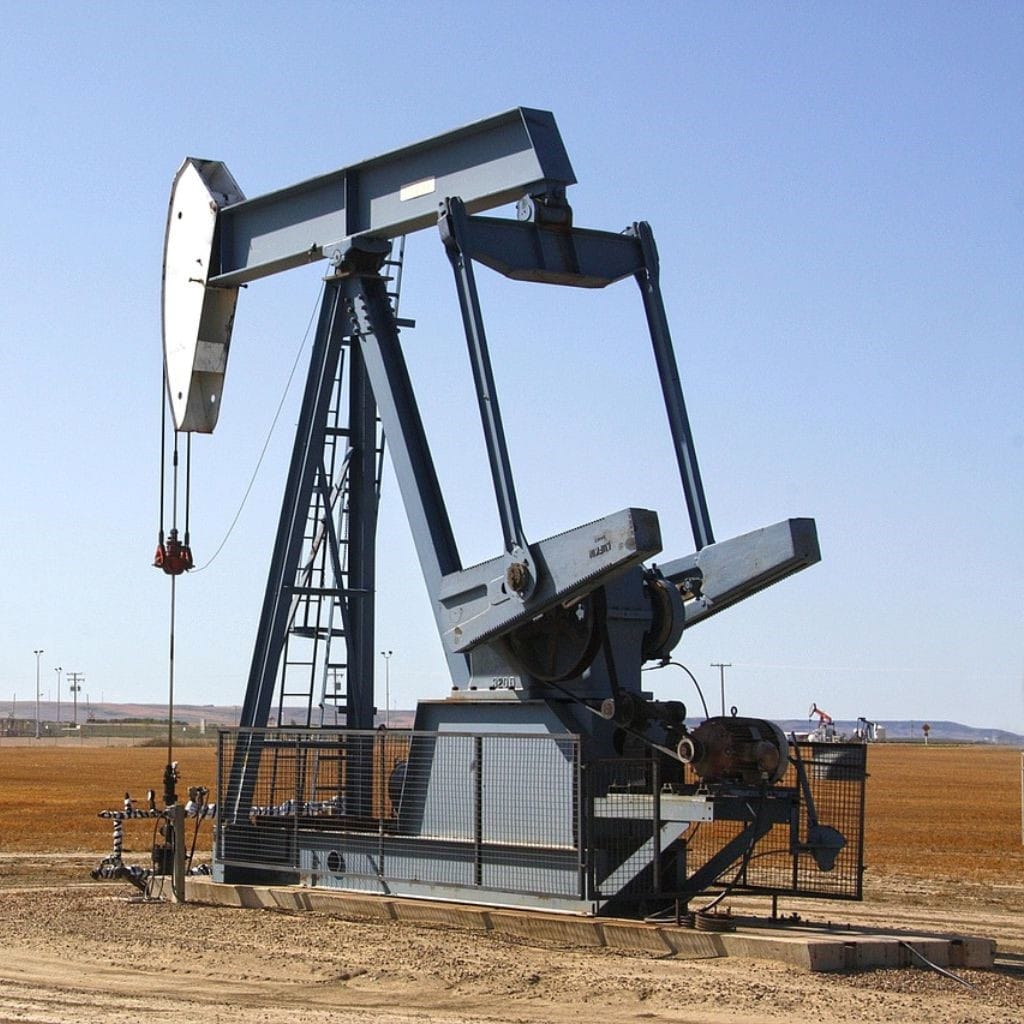
President Trump, victorious at Mar-a-Lago, confirmed successful regime change and conquering the field that runs the world’s engine, the vast oil reserves. Trump claimed, “We’re going to run Venezuela”. The US oil companies would rain billions of dollars to carve out the oil fields and infrastructure for the US oil refineries. Trump also planned to weaponize the Venezuelan oil against China, the major importer. The proceeds from millions of barrels will benefit both the US and Venezuela, the US more, as it will hit China.
Developing Venezuela’s oil industry requires many years and investment. This appears less possible due to present economic uncertainty. The US gets “the oil” it wants, and it is protecting America’s fate in pursuit of economic and energy dominance.
In 2024, the US produced around 13 million barrels of crude oil per day, whereas it imports around 6.6 million barrels per day. Why import extra oil instead of using the locally produced oil? The answer is in the type of oil the US produced and the design of the US oil refining industry.
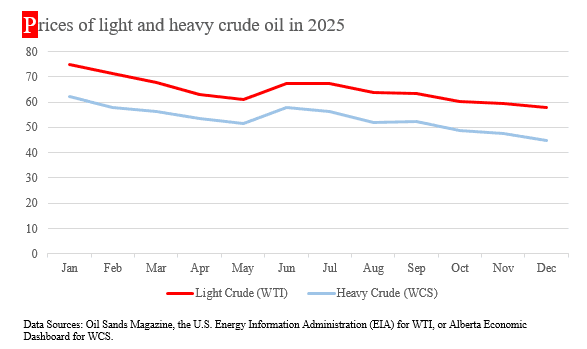
The earth produces different types of crude oils that can be broadly categorized as heavy/sour and light/sweet. Consider it like a steel that comes in different gauges. In the mid-20th century, the US relied on imported sour crude oil from Venezuela, Mexico, and Canada, so it invested in refining heavier oil grades. Precisely, the US-based oil refineries mostly refine heavy crude oil. In the 2000s, advancements in technology allowed oil companies to perform shale extraction, which increased the supply of light crude oil. At present, 60% of the US crude oil imports are heavy crude, while 80% of its production is light crude. The US imports heavy crude so that its refineries achieve economies of scale and cost efficiency. Once the oil refinery industry is established, it is difficult to change due to very high investment.
Light crude oil is more expensive because it is used in producing high-value products, like gasoline and diesel. Heavy crude needs expensive equipment with a complex refining process and is sold at a discount to produce oil for large ships, road construction, lip balm, and other products. The US buys heavy crude oil at a low cost but sells light crude at a high price. From an economic perspective, this provides an ideal situation for any country. Light crude oil is sold at higher prices compared to heavy crude, which reflects that light crude is more valuable.
Venezuela owns the largest heavy crude oil reserves. In 1976, during the nationalization of oil, Venezuela created a strong relationship with the US. The US refining companies invested $100 billion from the 1990s to 2010 in oil exploration. In 1999, Hugo Chavez became the president of Venezuela and implemented very harsh restrictions on oil companies, which negatively affected the sentiments of the US government. The production has reduced gradually from 3.2 million barrels per day in 2000 to 0.5 million in 2020 due to underinvestment and mismanagement. During the same period, Venezuelan exports to the US declined from 1.3 million barrels per day to 510.000 in 2018.
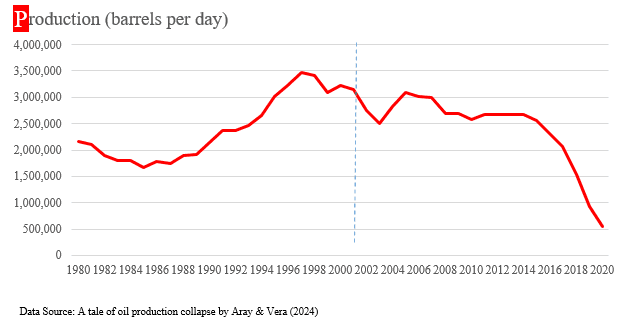
In 2001, Chavez changed the status of hydrocarbons from an autonomous body to an affiliate subordinate to the Oil and Mining Minister. The executive government members had the power to design an oil strategy. This led to an oil strike between 2002 and 2003, with a marked negative impact on production as seen in the production graph. Some temporary gains were evident in 2004 and 2005, but production declined in 2006. Sanctions could worsen the Venezuelan oil industry, but the earlier collapse is the result of mismanagement and poor policies, and not of sanctions. Since mid-2000s the oil production is in a declining trend.
The US quest for oil is an issue that resonates within the wider literature. It is often argued that the invasion of Middle East countries like Libya, Syria, and Iraq was done to secure oil fields. Some of these countries produce high-quality light crude oil, which is exported to European countries. The Carter Doctrine is an example of this, which requires to protect Persian Gulf countries and prevent Soviet Union from controlling these countries. However, the US needs heavy crude oil instead of light crude to support its oil refineries. Thus, oil is the secondary reason to invade these countries, and there is another primary reason for invasion. This reason is covered in our article “The US and the Dearest Ally”.
The US embargo opened the door for China to engage in trade with Venezuela and Latin America. In the last two decades, China has become a very important trading partner of Latin America. In the last five years, Chinese exports to Venezuela reached to around $5 billion while imports to $1 billion. China predominantly (90%) imports oil from Venezuela, but the figure is underestimated because some shipments reached to China via Brazil and Malaysia and not directly from Venezuela. The US now wants to stop this trade between China and Venezuela, meaning that the US wants to weaponize its control over oil reserves against China.
However, China is an important trade partner of North America. It imports natural resources like soy, copper, and other raw materials from these countries, as well as exports significant items. China provides sanctioned countries, like Cuba and Venezuela, the resources they need, which are otherwise difficult to get without Chinese cooperation. Consequently, it will be difficult for Latin and Caribbean countries to stop trading with China because they are going to lose a reliable trading partner.
The US needs oil to feed its refineries, and Venezuela, which has the largest reserves of oil, is a safe haven. Currently, Venezuela’s oil production is less than 1% of global production due to mismanagement. While the oil reserves is a national resource that can change the fate of nations overnight, in the case of Venezuela, setting up oil refineries require significant time and investment.