



The path food takes from farm to table involves a complex network of growers, processors, distributors, and retailers, with a relatively small number of large companies playing an outsized role at several key points.
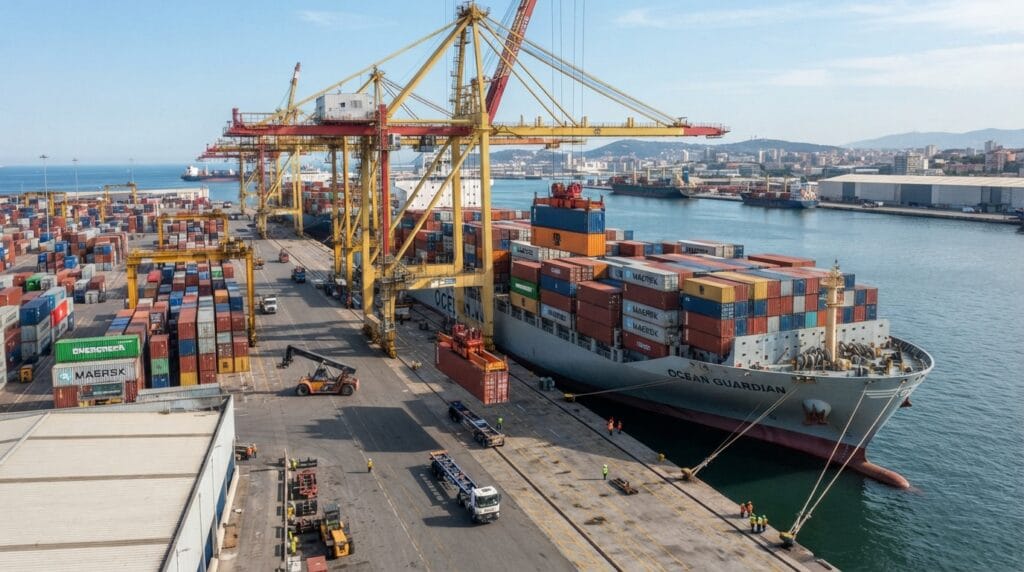
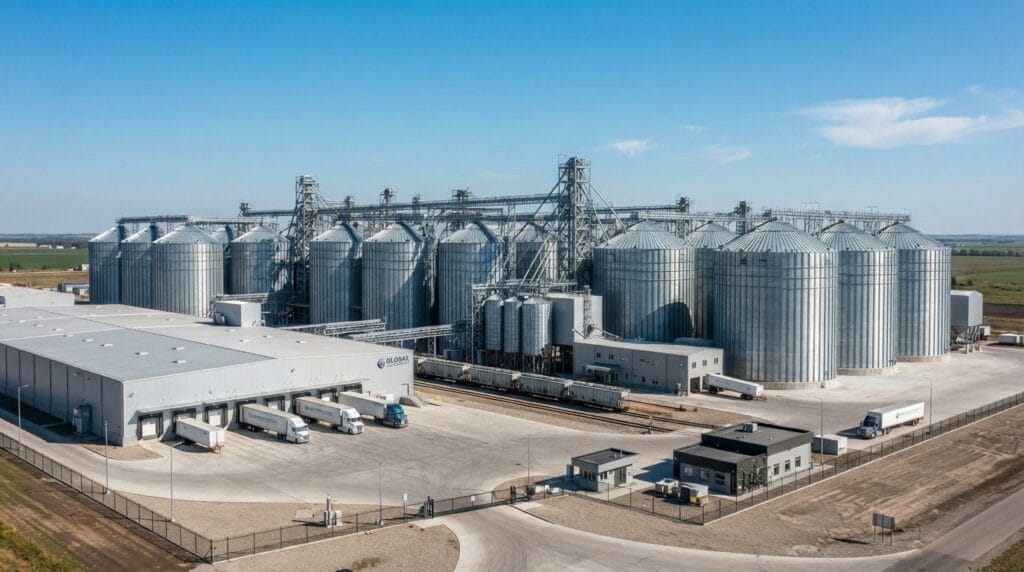
A handful of large companies dominate the processing and distribution of major food commodities like grain, meat, and dairy in many parts of the world.
This concentration allows for efficient large scale production, but it also means disruptions at a few key companies can have widespread effects.
Local farmers remain essential to the system, but their access to markets often depends on these larger distribution networks to reach consumers efficiently.
When a small number of companies control significant portions of food processing or distribution, disruptions from weather events, labor shortages, or supply chain issues can affect prices and availability across an entire region.
Supporting local and regional food production, alongside large scale distribution networks, is one strategy being explored to make food supply chains more resilient to future disruptions.
Who controls the food supply chain, global food supply, food industry concentration, food distribution network, resilient food systems.
Who Controls the World's Food Supply Chain?
The path food takes from farm to table involves a complex network of growers, processors, distributors, and retailers, with a relatively small number of large companies playing an outsized role at several key points.
Table of Contents
The Structure of Global Food Supply
A handful of large companies dominate the processing and distribution of major food commodities like grain, meat, and dairy in many parts of the world. This concentration allows for efficient large scale production, but it also means disruptions at a few key companies can have widespread effects.
Local farmers remain essential to the system, but their access to markets often depends on these larger distribution networks to reach consumers efficiently.
Did You Know?
A handful of large companies dominate the processing and distribution of major food commodities like grain, meat, and dairy in many parts of the world.
Why Concentration Raises Concerns
When a small number of companies control significant portions of food processing or distribution, disruptions from weather events, labor shortages, or supply chain issues can affect prices and availability across an entire region.
This concentration has led some policymakers to examine how to build more resilient, diversified food supply systems that are less vulnerable to single points of failure.
Key Takeaway
Concentration in the global food supply chain creates efficiency but also vulnerability. Diversifying food production and distribution systems can help reduce the risk of widespread disruptions.
Building a More Resilient System
Supporting local and regional food production, alongside large scale distribution networks, is one strategy being explored to make food supply chains more resilient to future disruptions.
Related Reading
Explore more analysis on food systems and global economics:
- Rising fertilizer costs and food security — How input costs affect global food supply
- How trade alliances shape global economies — Understanding international trade agreements