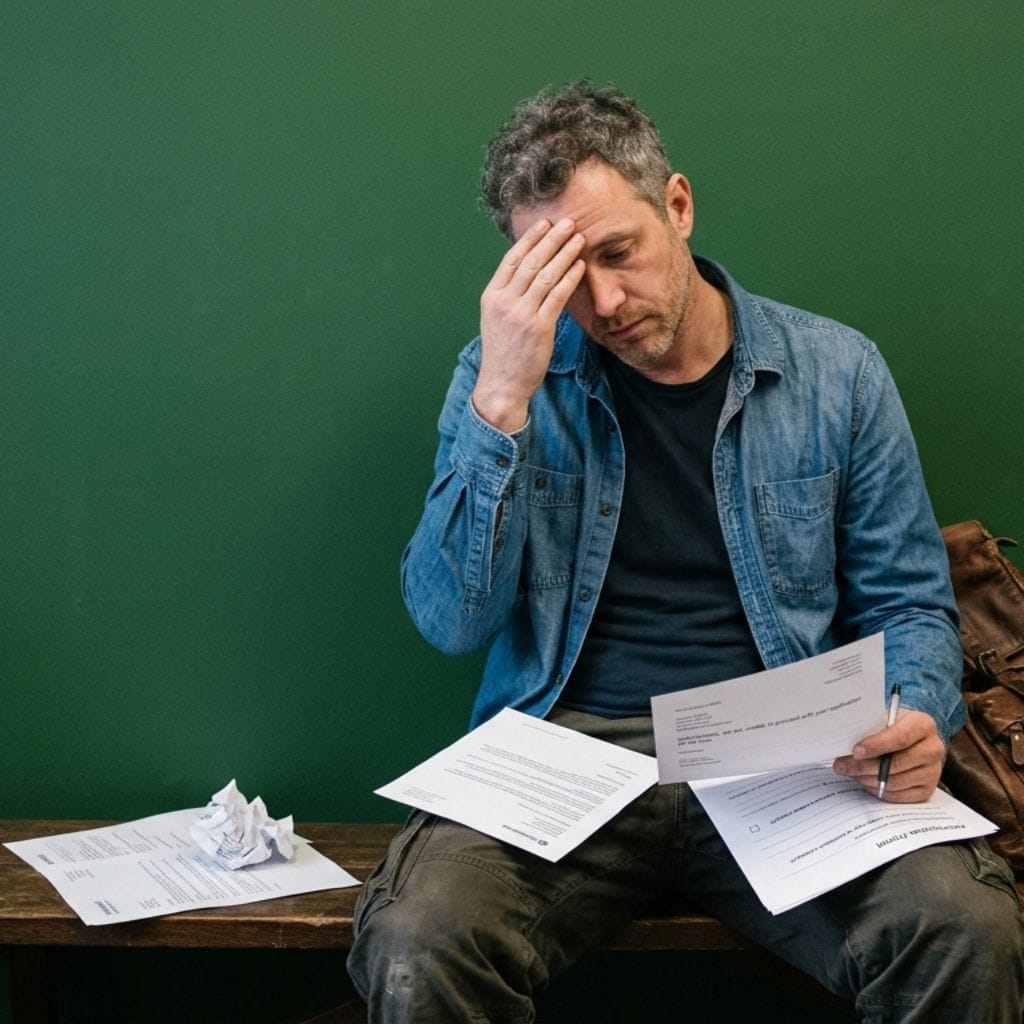


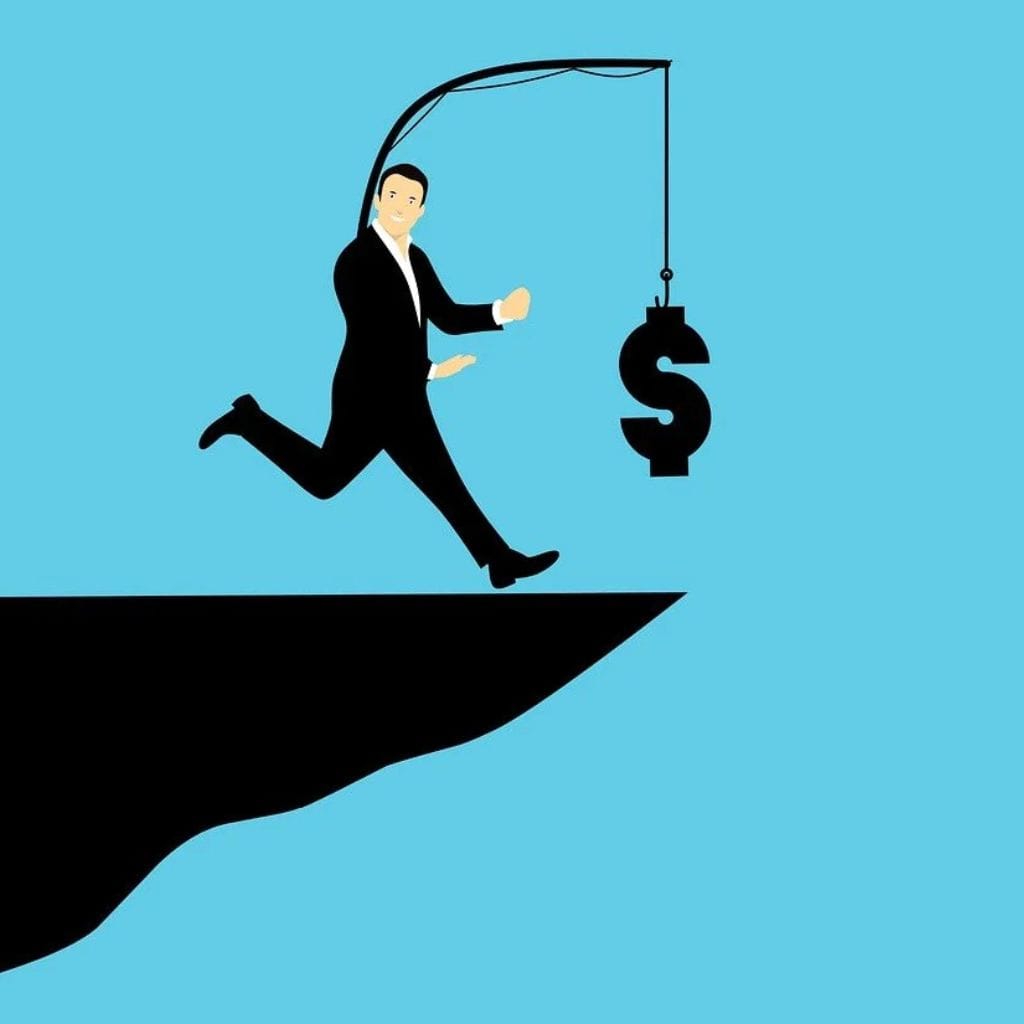
When you are unemployed, government benefit programs can be a blessing. However, they will not be enough to overcome expenses. You need a job, so you finally find one and receive your first salary. The ends begin to meet.
While the job improves your financials, it also disqualifies you from government benefits. This brings you to the point where you struggle to make ends meet. As you are doing a job, you incur new expenses, such as tax deductions, commuting, or food. This further reduces your income, and you start to think you were better off when you were unemployed.
Economists refer to this situation a “welfare trap”, a disheartening situation that affects many people. Welfare trap is a type of poverty trap that leads to economic and environmental conditions that strengthen itself, developing a cycle of poverty that extends beyond one generation to another. There are poverty traps that link to specific situations of the people, like limited access to social services (health, food, or education). Other traps can impact the entire population, such as corrupt governments or climate change.
Benefits can be categorized as universal or means-tested. The government benefit programs are the latter ones, which focus on achieving means, targeted to people who are poor, or have very limited resources, or fall below the minimum income threshold. However, as people rise of the poverty threshold, they started to lose the benefits regardless of their financial stability. This affects both those who are receiving the benefits and those who stop receiving them.
A bitter truth about the welfare trap is that they it is the byproduct of the policies that are created to contain it. Governments develop welfare policies from long-term perspective. For example, if a person started a job, he/she will lose government benefits and started to work harder to meet ends. This improves their income. When entire population works more, it alleviates the GDP of the nation.
Economists argue that individuals make rational decisions as they determine costs and benefits of their alternatives and select the option that has least costs and maximum benefits. If a poor individual knows that he/she gains no net benefit after getting a job, they will be less likely to do a job and live on government benefits. But people also work due to social norms, personal advantages, or for income.
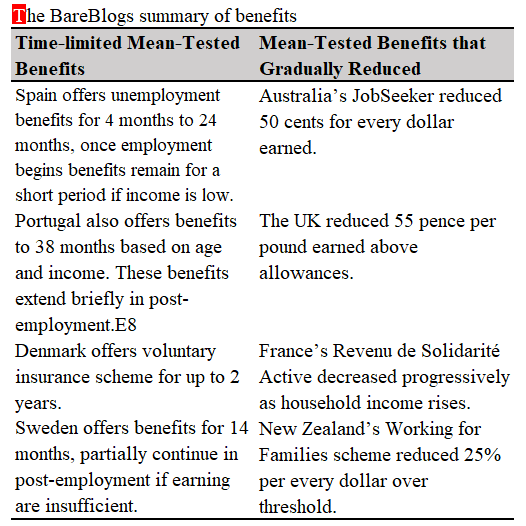
These behavioral outcomes impact the entire economy. When people do not work, they slow down the economy, remain poor, or sometimes reach the edge of poverty. The outcomes also stigmatized beneficiaries as they have to inform to the government, and by the time people around them know that they do not meet the standard of self-sufficiency. The limitations of the benefits that just achieved can be overcome by stop all types of government assistance. This solution is quite harsh considering the reality and ethics of life. Then how can we develop benefits that does not penalize individuals for if they get any employment. Countries used different solutions to overcome this problem. For example, some countries offer benefits for a specific period of time after employment (time limited). Whereas other countries gradually reduce benefits as income gains occur. These options still provide an incentive to be unemployed but reduce the risk of a welfare trap.
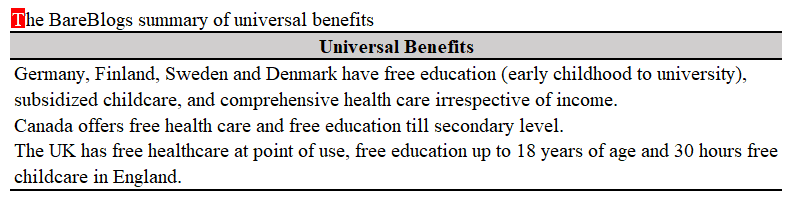
Alternatively, the idea of universal benefits argue that all members of society would get equal free benefits irrespective of their income and employment status. There are some Scandinavian and Nordic countries that offer advantages like education, childcare, or Medicare to all citizens regardless of their income level. This can help overcome the welfare trap completely, as benefits would complement the income earned rather than replace it.
Besides, countries can offer a basic income, which prevents people from becoming victims of poverty. Some countries have implemented this idea on a small scale. In 2017-2019, Finland initiated a universal basic income or UBI pilot program for 2000 randomly selected unemployed persons receiving €560 ($600) monthly over the period of time to measure the impact of UBI on employment and social well-being. Kenya has been providing another ongoing UBI experiment, conducted by the non-profit organization GiveDirectly, to rural areas of Kenya since 2017. In this experiment, GiveDirectly distributes monthly cash payments equivalent to roughly $22.50 per adult per month to thousands of participants grouped into several categories: those who will receive payments for an extended (12) year period or short-term (2) years via a lump sum. While not yet a national program, GiveDirectly has enrolled over 20,000 individuals as participants in the Areas where the experiment is happening, making it one of the largest UBI experiments in the world. However, these local experiments are unable to inform regarding how the policy would look if applied to the nation or globally. The Organization for Economic Cooperation and Development also issued a policy brief in 2017 on basic income. The Basic Income Earth Network was founded in 1986 to inform the public about basic income.
Any strategy that the government uses, its aim must be to overcome the welfare trap by respecting the agency and autonomy of its people. When individuals are empowered, they can bring long term changes in their lives and communities.