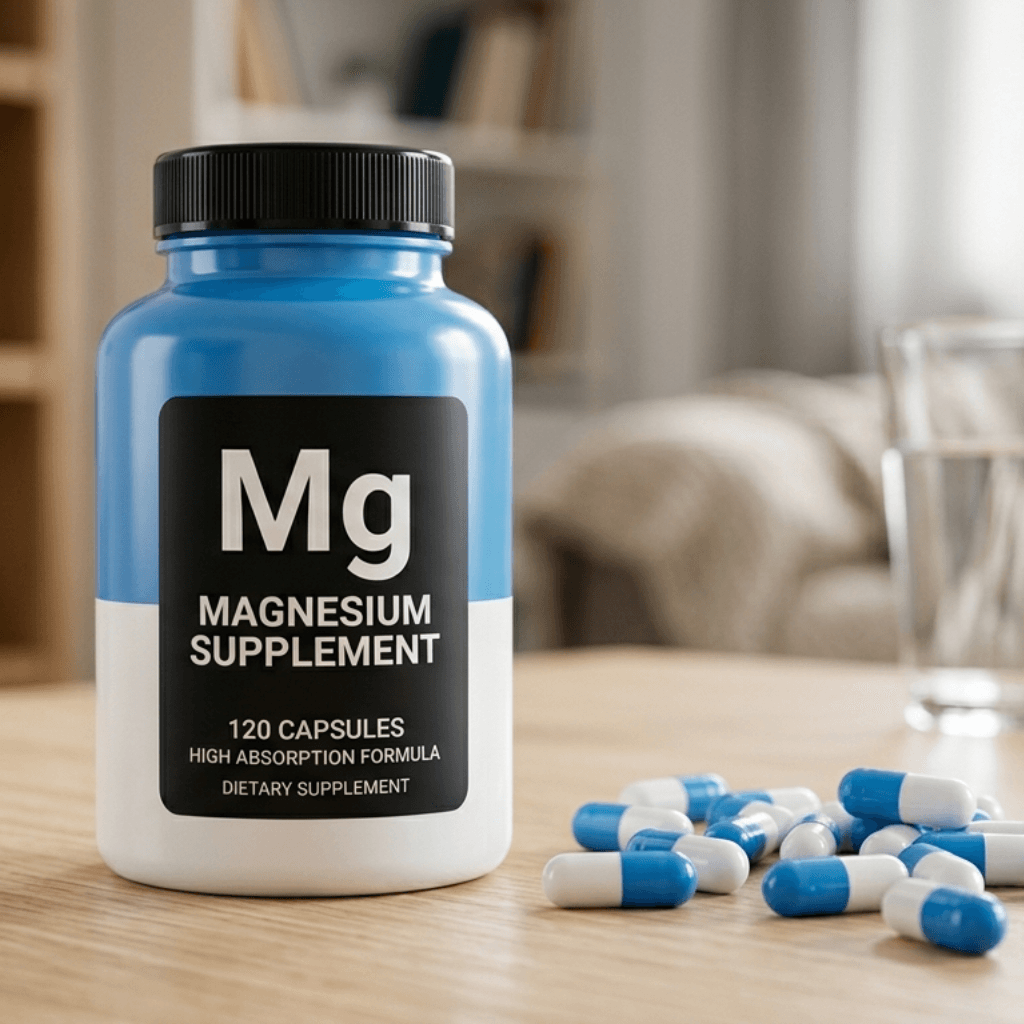
Millions of Americans take magnesium supplements every day. They use them for better sleep, muscle recovery, heart health, and stress relief. But the core question remains: are magnesium supplements safe? For most healthy adults, yes, magnesium supplements are safe when taken at the right dose. However, safety depends on your health status, the form you take, and how much you take. This article uses the latest research to give you a clear, honest answer.
Why Magnesium Supplements Are Considered Safe for Most Adults
Magnesium is not optional for your body. It powers over 300 enzymatic reactions, regulates nerve function, and controls blood sugar. Your body needs it daily.
The problem is that most Americans do not get enough from food alone. A 2024 review published in Nutrients (PMC) confirmed that magnesium deficiency is linked to diabetes, cardiovascular disease, inflammation, and weakened immune function. Supplementing helps close that gap.
For healthy adults, the research consistently supports safety. A 2023 review in Advances in Nutrition analyzed 10 studies, including five meta-analyses and five randomized controlled trials. Seven of those studies found no significant difference in adverse events between people taking magnesium and those taking a placebo. That is a strong signal of safety at standard doses.
The NIH Office of Dietary Supplements recommends 400-420 mg per day for adult men and 310–320 mg per day for adult women from all sources combined (food and supplements).
Are Magnesium Supplements Safe at Higher Doses?
This is where the nuance matters. The Tolerable Upper Intake Level (UL) for supplemental magnesium is 350 mg per day for adults. This is the amount from supplements only, not counting what you get from food.
Going above this threshold does not automatically mean danger. The same 2023 Advances in Nutrition review found that doses between 128–1,200 mg per day were used across the studies, and most did not produce serious adverse events. However, four studies noted that doses above 350 mg per day did cause gastrointestinal disturbances, such as cramping, loose stools, and nausea.
The takeaway: higher doses are not automatically dangerous, but they increase the risk of side effects. Stick to the recommended UL unless a doctor advises otherwise.
Who Should be Careful with Magnesium Supplements?
Magnesium supplements are not equally safe for everyone. These groups carry higher risk.
People with kidney disease
Your kidneys regulate how much magnesium stays in your blood. When kidneys fail, magnesium builds up. A PMC review on magnesium in chronic kidney disease confirmed that while magnesium administration in early-stage kidney disease appears safe, careful monitoring is still essential. People with advanced kidney disease should only take magnesium under direct medical supervision.
People at risk of hypermagnesemia
Hypermagnesemia means too much magnesium in the blood. According to StatPearls (NIH), early signs include nausea, muscle weakness, and low blood pressure. At severe levels, it can cause heart rhythm problems and, in extreme cases, cardiac arrest. This condition is rare in healthy people, but real in high-risk populations.
Pregnant women
Pregnant women have different nutritional needs. The recommended intake rises to 350-360 mg per day during pregnancy. Always consult your doctor before starting supplements during pregnancy.
People on certain medications
Magnesium interacts with antibiotics (like ciprofloxacin), diuretics, and proton pump inhibitors. These drugs can either reduce magnesium absorption or interfere with how your body regulates it. The NIH Office of Dietary Supplements documents these interactions clearly.
Are All Forms of Magnesium Equally Safe?
No. The form matters. A systematic review in PubMed found that organic forms of magnesium, like magnesium citrate, glycinate, and malate, absorb better than inorganic forms like magnesium oxide. Better absorption means less leftover magnesium in the colon and fewer side effects.
Here is a quick breakdown:
- Magnesium glycinate best tolerated, gentle on the gut, high absorption
- Magnesium citrate good absorption, mild laxative effect at higher doses
- Magnesium malate well-tolerated, often used for muscle fatigue
- Magnesium oxide cheapest, but poorly absorbed and most likely to cause stomach upset
If you have experienced side effects before, the form is likely the issue, not magnesium itself.
Signs You Are Taking Too Much Magnesium
Watch for these warning signs:
- Persistent diarrhea or loose stools
- Nausea or stomach cramping
- Muscle weakness or fatigue
- Low blood pressure or lightheadedness
If you notice these, reduce your dose immediately and speak with your doctor.
The Bottom Line
Magnesium supplements are safe for most healthy adults when taken within recommended limits. The science backs this up across multiple high-quality studies. However, safety is not one-size-fits-all. Your kidney function, medications, and the form of magnesium you choose all affect how safe supplementation is for you specifically.
Choose an organic form like magnesium glycinate. Stay within 350 mg per day from supplements. And if you have any existing health condition, talk to your doctor first.
This article is for informational purposes only. Always consult a qualified healthcare provider before starting any new supplement.
To read more about magnesium, read our article: Why take magnesium and when should you take it?