
Our body requires different minerals to function optimally, and magnesium is one of them. This essential mineral plays a crucial role in over 300 biochemical reactions, supporting everything from energy production and muscle contraction to nerve function, blood sugar regulation, and bone health. Magnesium helps convert food into energy, maintains heart rhythm, and even aids in protein synthesis. Deficiency can lead to symptoms like fatigue, muscle cramps, headaches, and poor sleep, making supplementation a common recommendation for those not getting enough through diet (from nuts, seeds, leafy greens, or whole grains). Adequate magnesium intake is vital for overall well-being, but timing your supplement can enhance its benefits based on specific needs.
Magnesium glycinate is a compound formed by combining magnesium with the amino acid glycine. This form is known for its superior absorption in the intestine compared to other forms such as magnesium oxide, sulfate, carbonate, or hydroxide.
Unlike poorly absorbed forms of magnesium, magnesium glycinate is easily absorbed and gentle on the stomach. It has a much lower laxative effect compared to magnesium citrate, making it suitable for people with sensitive digestion. Magnesium L-threonate is another form that is particularly beneficial for cognitive and brain health, though it is more expensive than magnesium glycinate. The purpose of this article is to look at the benefits of taking magnesium and bodily indicators that indicate magnesium deficiency (which explains why you should take it), and when you should take it.
Benefits of Taking Magnesium
Magnesium glycinate supports muscle relaxation, prevents cramps, and promotes relaxation, especially at night. It is beneficial for improving sleep quality and reducing insomnia while also enhancing daytime energy levels. This form of magnesium acts as a vasodilator, helping to lower blood pressure and improve circulation. It also helps regulate calcium levels, reducing the risk of kidney stones, and improves insulin sensitivity, which supports healthy blood sugar control.
Magnesium glycinate has been shown to help reduce migraines, anxiety, depression, and overall stress. Its calming effects make it particularly beneficial for mental well-being. There is no chemical difference between magnesium glycinate and magnesium bisglycinate. The term ‘bisglycinate’ does not alter the structure or effectiveness of the supplement.
Magnesium is effective for constipation, cramps, stress, and blood pressure, but it often causes a laxative effect. Magnesium glycinate is generally preferred because it does not depend on stomach acid for absorption and is gentler on the digestive system.
Bodily Indicators that Indicate Magnesium Deficiency
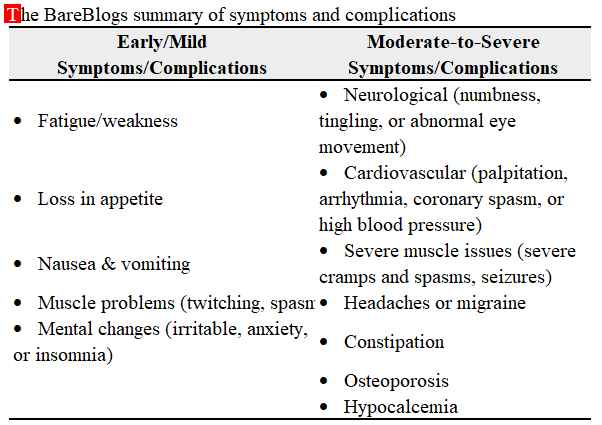
Our body informs us of magnesium deficiency through several ways, which can be categorized into early/mild and moderate-to-severe symptoms. These indicators are also referred to as complications arising due to low magnesium levels. The Table below summarizes the indicators/complications:
Best Time and Dosage
While there’s no one-size-fits-all “best” time to take magnesium, the optimal timing often depends on the symptoms you’re addressing. For example, if you feel groggy or have a headache after waking up, you can take it before sleep. Magnesium regulates melatonin (a hormone that regulates and improves sleep). Expert guidance emphasizes evening timing for sleep benefits, with forms like glycinate recommended 30-60 minutes before bed. A systematic review of 9 studies involving over 7,500 participants found an association between magnesium status and improved sleep metrics, such as reduced sleep onset latency and better duration, though randomized controlled trials show mixed results and call for more research. Another review supports oral magnesium (up to 1g daily, split doses) for insomnia symptoms in older adults.
If you feel tired or fatigued by midday, take magnesium at the beginning of the day, with or without breakfast. This will keep you alert and active throughout the day.
Likewise, if someone has constipation, they can take magnesium citrate at night or in the morning. Whatever time you select, you must have access to a bathroom after taking a magnesium supplement for more than 6 hours, as bowel movements occur within 30 minutes to 6 hours.
The recommended dose typically ranges from 100 mg to 400 mg per day, depending on individual needs. Magnesium can also be taken from other sources, like almonds, green vegetables, or chocolate. Glycine contributes to the calming effects of magnesium glycinate. It supports sleep, cognitive function, collagen production, blood sugar control, inflammation reduction, bile production, and detoxification through glutathione synthesis.
Summary
Magnesium’s timing should match your symptoms: evening for sleep-related issues like morning headaches or insomnia, and morning for daytime energy dips. Whatever time you select, you need to be consistent with it. Magnesium glycinate is the best option, but other forms like oxide or L-threonate.
Always consult a healthcare provider before starting supplements, especially if you have conditions like kidney disease or take medications, as interactions can occur. Aim for 300-420 mg daily for adults, and pair with food to minimize side effects like nausea. With consistent use, magnesium can be a powerful ally for better health.