
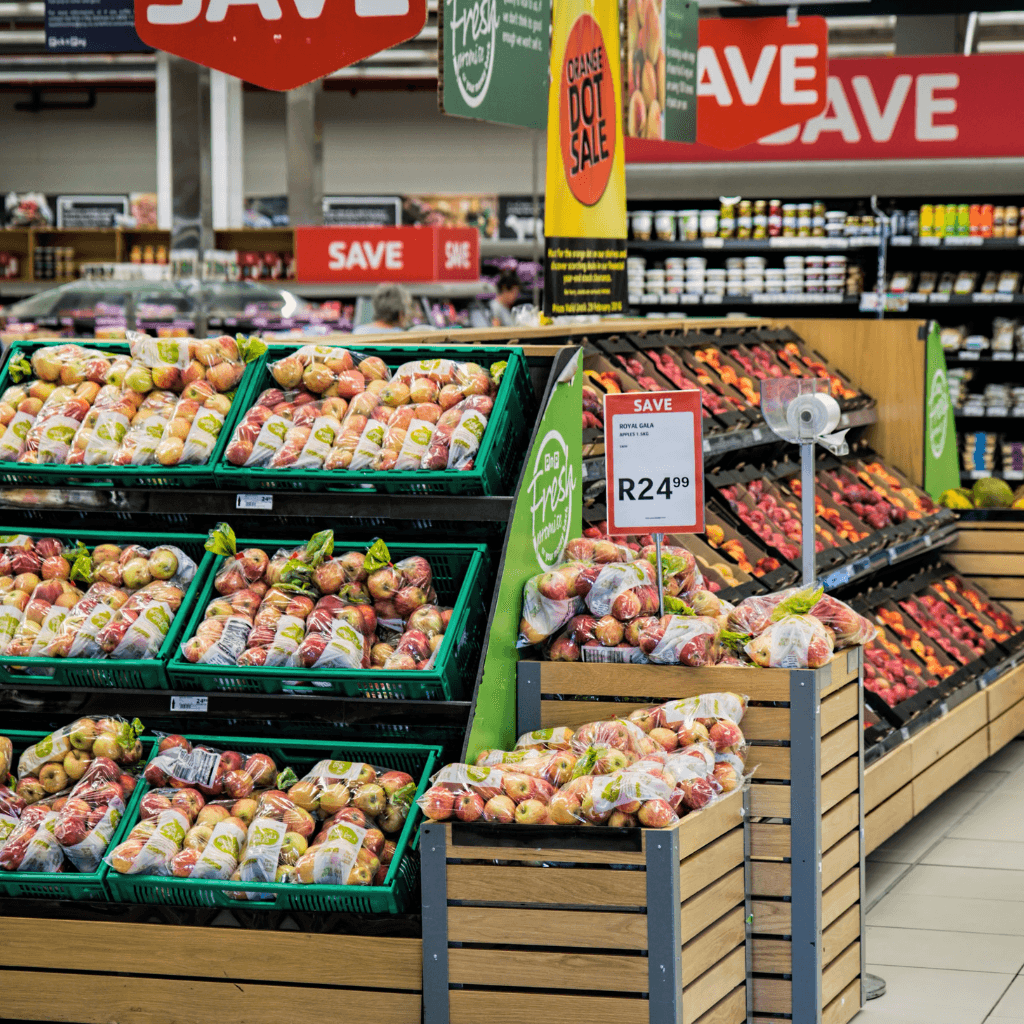
A war is raging in the Middle East. You’ve seen the headlines. But there’s a quieter crisis unfolding. One that will hit you at the checkout counter and hit billions of others far harder. It starts with a narrow strip of water.
The Strait That Feeds the World
The Strait of Hormuz is just 33 kilometers wide at its narrowest point. Yet it carries an outsized share of global trade. Before the Iran war, roughly one-third of all fertilizer traded by sea passed through it. So did 20% of the world’s liquefied natural gas (LNG). The key ingredient used to make nitrogen fertilizer.
Then the war started. Ships stopped moving. Insurance costs became prohibitive. Shipping through the Strait dropped by more than 70%. That didn’t just disrupt oil. It strangled the global food supply chain at its roots.
Fertilizer Is Not Optional
Here’s something most people don’t think about: without nitrogen fertilizer, crops fail. Not partially. Dramatically. Skipping nitrogen application can cut yields by up to 50% in a single season. Farmers don’t use fertilizer because it’s convenient. They use it because without it, there isn’t enough food. Right now, that fertilizer isn’t arriving.
Global urea prices jumped nearly 26% in just two weeks after the conflict began. Farmers in the US saw urea prices surge 77% between mid-December 2025 and March 2026. One ton of urea, which cost the equivalent of 75 bushels of corn in December, now costs 126 bushels. That’s not a bump. That’s a collapse in purchasing power, right at planting season.
Who Pays the Real Price?
Wealthier nations will absorb the shock. Painfully, yes. But they’ll absorb it. The UK’s Food and Drink Federation has forecast food inflation could reach 10% by December. That stings. But it’s survivable.
For poorer nations, the math is different. Countries like Malawi source over 60% of their fertilizer from the Persian Gulf region. They cannot simply pay more. They grow less. And then they go hungry.
The UN World Food Programme estimates that 45 million additional people could be pushed into acute hunger in 2026 if the war continues and oil stays above $100 a barrel. In Asia and the Pacific, food insecurity is expected to rise by 24%. The steepest relative increase of any region globally.
The planting season doesn’t wait for ceasefires. Fertilizer applied late means lower yields, even if supplies eventually recover. The window is closing.
The Bidding War Nobody Wants to Name
Here’s the uncomfortable part. As food becomes scarcer, rich and poor nations will compete to buy it. Richer nations will win. Poorer ones will lose.
This isn’t speculation. It’s how commodity markets work. “The food system is fragile, and it depends on stable fertilizer supply chains,“ warns Yara International, one of the world’s largest fertilizer producers.
The bombs fall in the Middle East. But the hunger spreads everywhere else. Your grocery bill is just the mildest symptom of a much deeper wound.