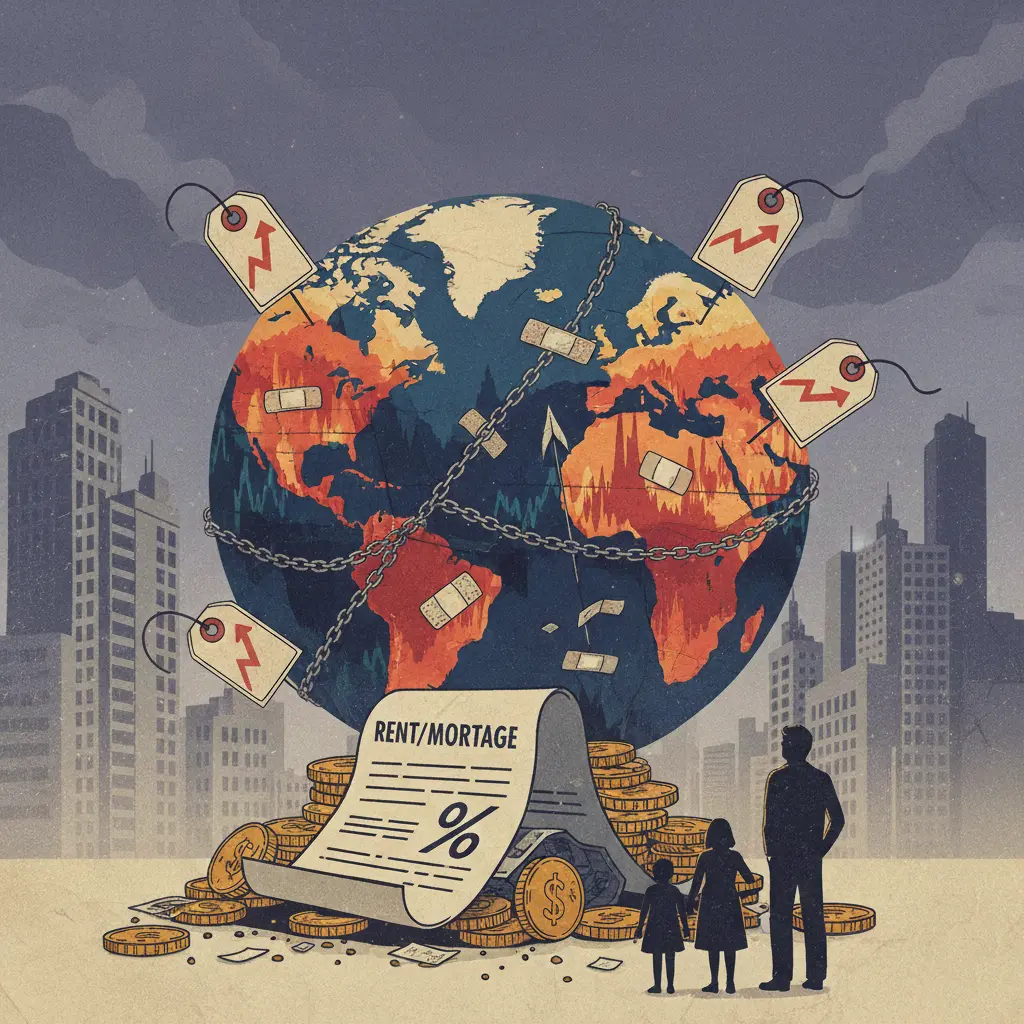
In 2025, numerous countries found themselves in an affordability crisis, characterized chiefly by increased costs of housing and other living costs that significantly exceeded household income growth. An affordability crisis occurs when a considerable portion of an individual’s or family’s income is used to pay for basic needs such as housing, food, energy and transportation. This can leave little to no disposable income available to individuals and families, which can lead to extreme financial stress, decreased quality of life and in some cases, even civil unrest. Urbanization, policies that restrict the supply of housing (both residential and commercial), inflation and large economic disparities between individuals were among the factors that contributed to these affordability crises globally. Based on available global reports, surveys, and indices, this article will highlight several major countries experiencing this type of crisis as it relates to housing and cost of living.
Cost of Living
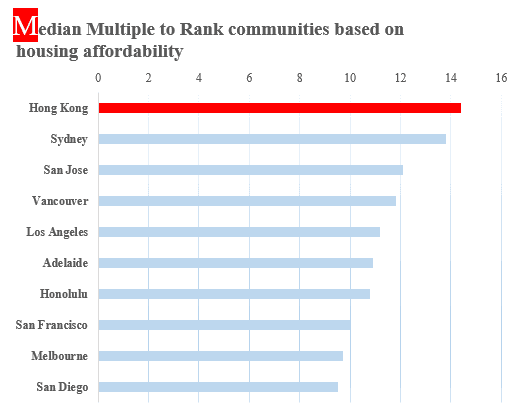
In 2025, the ability to afford a home became worse for many areas of greater size. Most areas reviewed do not have any major communities that are classified as being affordable. According to Demographia’s report on housing, the implementation of urban containment policies (greenbelts & growth boundaries) was a major factor in the inflation of residential property values because it limited available land supply. These urban containment policies were developed from the planning in the UK after World War II and then spread to many other nations around the globe, creating an artificially low supply of land available to purchase in locations where there was a great demand for it.
Demographia used a ratio referred to as Median Multiple to Rank communities based on housing affordability. Median Multiple is simply the house price divided by the household’s income. For communities to be rated as Affordable, the Median Multiple needs to be below 5.1 (which is a high degree of Unaffordability).
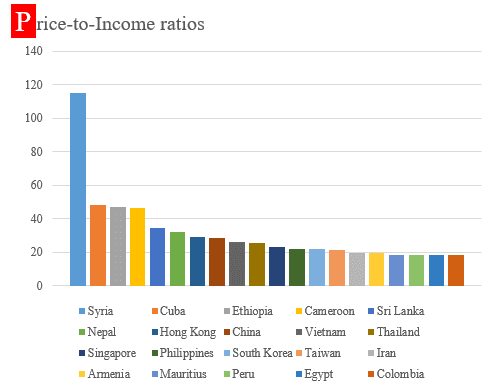
At a National Level, Price-to-Income ratios were significantly different by geographic area, especially among developing and/or war-torn regions. Syria had the highest price-to-income ratio (115.1), which means that an average home costs approximately 115 times an average annual income and was caused by the war, economic collapse and displacements.
Europe experienced a major change from pure Housing Affordability to Housing Availability, due in part to the numerous new construction regulations that continue to be strictly enforced, thus leading to a reduced availability of housing regardless of a great increase in wage growth. For instance, Poland had an increase in their Real Minimum Wage of 30% since 2021, and Germany saw an increase of 11% in Real Minimum Wage. Regions of Southern and Western Europe such as Barcelona are feeling the greatest amount of pressure from increasing home prices.
The burden on developing nations was even greater than that on the wealthiest nations. In Nigeria, urban migration led to increased overpopulation in the cities, resulting in over 79% of its citizens living in the slums without access to basic needs such as water and sanitation. At the same time, there were many luxury homes that remained vacant due to price disparities. In India, the rapid pace of urbanization has created a shortage of approximately 10 million housing units in urban areas and stagnant salary levels had been a doubling the land price, significantly impact millions of people living in the slums. In Bangladesh, the increase in low-income/urban poverty due to climate change and displacement by natural disasters has resulted in the number of slums growing by over 60% since 1997. There are now approximately 6 million homes in Brazil that do not have suitable accommodation for low-income families living in the favelas, causing homeownership costs to increase dramatically, with home prices in cities (São Paulo) now at 16 times more than the average salary of a citizen. The Philippines has a deficit of approximately 6.5 million housing units, which has been made worse by the increased number of housing units being destroyed each year due to natural disasters and the influx of people to urban areas.
Wealthy economies, like the US had record 22.6 million cost-burdened occupants, whereas China saw weak demand in the housing sector due to unsold houses. Canada, the UK, and Australia also struggled due to housing affordability.
Cost of Living Crisis
The year 2025 saw increasing dissatisfaction with overall living costs, apart from just housing. There were elevated costs in small and isolated countries as well as countries with relatively high-income levels.
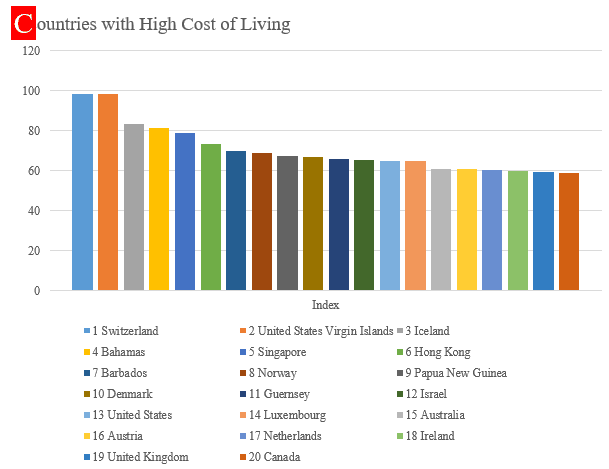
A comparable ranking done by Numbeo indicated that all the countries listed were closely correlated with Bermuda coming in at 135.8 and many overlapping countries. Iceland was hit particularly hard, as people were paying prices that were approximately 70% higher than average prices in the EU due to inflation.
People surveyed in five major democracies reported having higher costs. Countries included France (82%), Germany (78%), United Kingdom (77%), Canada (79%), and United State (65%). An Ipsos monitor used a total of 30 countries and found that 27% of respondents were struggling financially while 32% of respondents were just getting by.
Where to go from here?
There was a global affordability crisis in 2025 that involved a mismatch of supply, demand, and income between developed countries such as the United States, Canada, Australia, and European countries, and developing countries such as Syria, Nigeria, India, and Bangladesh. The main causes involved restrictive zoning and land-use policies, increasing levels of urbanization, climate change, and global catastrophic events. Addressing this issue will require a comprehensive reform of zoning and land-use policies, increasing the amount of housing and other types of supply available for the vulnerable population, and providing centralized support to help establish new economic stability and improve social justice.