The Future of Nuclear Energy: Clean Power Explained
As countries look for reliable energy sources that produce fewer emissions, nuclear power is receiving renewed attention. It offers a way to generate large amounts of electricity without the carbon output associated with fossil fuels.
Table of Contents
How Nuclear Power Works
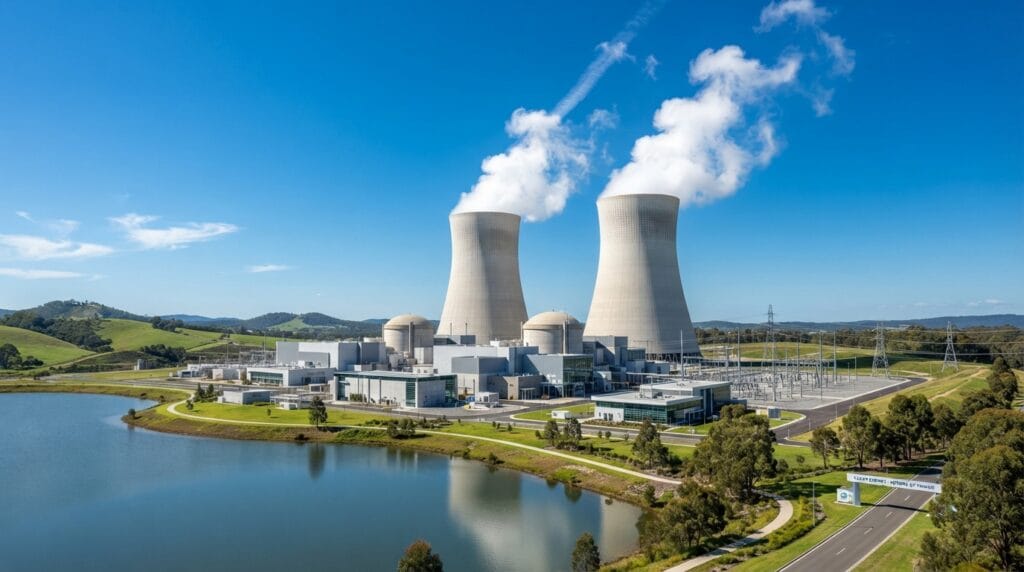
Nuclear plants generate electricity through a process called fission, where atoms are split to release energy. That energy heats water into steam, which turns turbines connected to generators, producing electricity in a process broadly similar to traditional power plants, just with a different heat source.
Modern reactor designs include multiple layers of safety systems intended to contain heat and radiation even during unexpected events.
Did You Know?
Nuclear power generates electricity through fission, splitting atoms to release energy that heats water into steam, which turns turbines to produce electricity—similar to traditional power plants but without carbon emissions.
Why Interest Is Growing Again
Nuclear energy produces electricity around the clock, unlike solar or wind, which depend on weather conditions. This reliability makes it an appealing complement to renewable sources as countries work to reduce dependence on fossil fuels while keeping power grids stable.
Smaller reactor designs currently in development aim to lower construction costs and improve safety, potentially making nuclear power more accessible to more countries.
Key Takeaway
Nuclear energy offers reliable, 24/7 electricity with low emissions, making it an attractive complement to intermittent renewables like solar and wind as countries transition away from fossil fuels.
Challenges That Remain
Cost, construction time, and waste management remain significant hurdles. Public perception, shaped by past incidents, also continues to influence how quickly new nuclear projects move forward in different countries.
Related Reading
Explore more analysis on energy and global markets:
- The global shift toward renewable energy — How clean energy is reshaping the power sector
- Global oil price trends — Understanding energy market dynamics
Explore More Energy & Environment Analysis
For more research-driven analysis on energy, climate, and global power systems, explore the World and Research categories on BareBlogs.
Posted by: BareBlogs Editorial Team
Category: World Research
External Reference: International Atomic Energy Agency