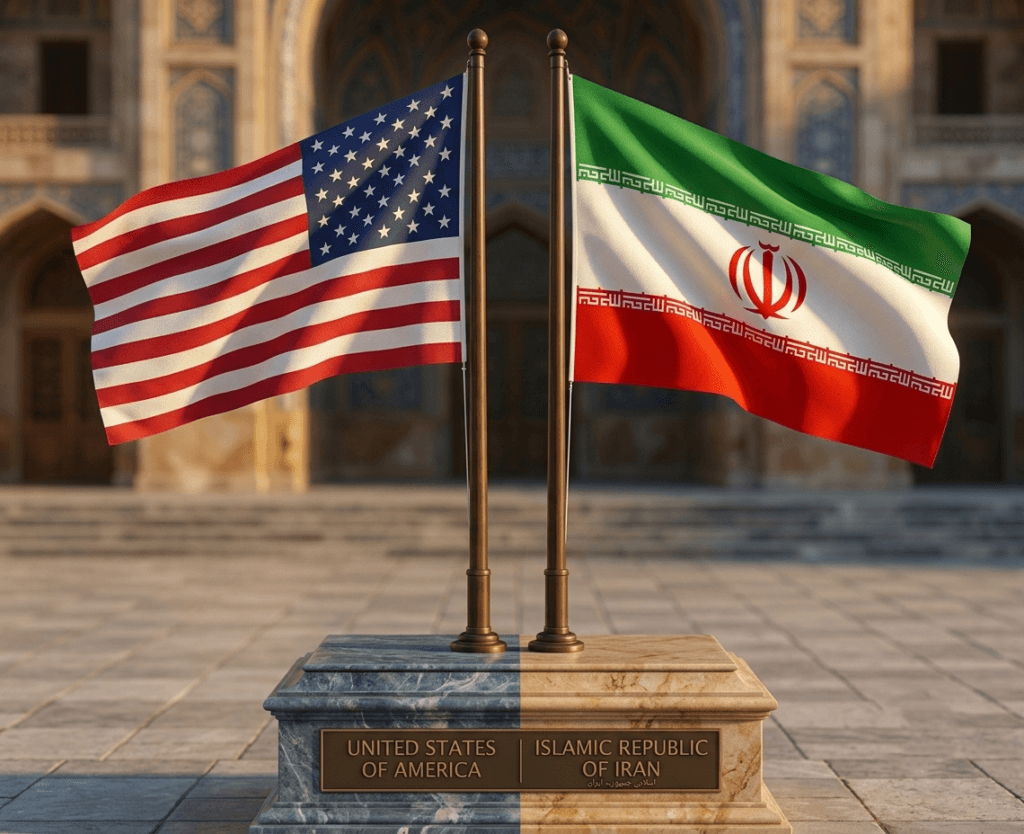


The United States and Israel engaged in many wars and regime change in the last two decades. But the Operation Epic Fury on 28 February 2026 against Iran is different. Back then when the United States fired a missile, it did not think what the cost of this missile is, it thinks how much damage it will cause to the enemy. This situation and time is now changing, the United States now not only has to think the cost of missiles but the energy crisis and strategic aspects of this war.
The Drone Attacks
During the sanctions, Iran build significant military capabilities. This does not include developing weaponries but also intelligence and learning from past invasions that how the US attack and change regime in other countries. It has flood the battleground with inexpensive munitions, and dry the expensive defenses. The strategy is working. One Iranian Shahed drone costs between $20,000 and $50,000 to manufacture, whereas one anti-missile can cost ten times that amount or more.
The United States optimistically started this war with a fixed supply of its most capable munitions. In December 2025, the Missile Defense Agency’s inventory stood at 414 SM-3s and 534 THAAD anti-missiles, according to the Center for Strategic and International Studies. The Missile Defense Project estimated that in the first few days of the war, the US threw around 20% of its SM-3 while 20% to 50% of its THAAD missiles. Therefore, Iran’s strategy is simple to use cheap drones and force the US to shoot down with costly interceptors.
The Energy Crisis
The present war also expected to create energy crisis. The energy infrastructure is physically damaged. Iran or false flag operations hit refineries in Bahrain, Kuwait, Qatar, Saudi Arabia, and the United Arab Emirates while Qatar’s Ras Laffan liquefied natural gas facility (the biggest in the world) was also attacked. The International Energy Agency predicted that this move would drop global oil supply by 8 million barrels a day, equally the entire oil import of the United States of a day. As the severity of the damage is major or catastrophic the operations of affected refineries or facilities will take minimum two weeks to achieve full capacity. Continues strikes will further worsen the situation.
Second, the closure of the Strait of Hormuz is a problem. This will increase the price of crude oil as seen in recent times while also create oil shortage in the long-term if war spans for months. To strategically hit the US, Iran is thinking to allow some oil tankers to pass through the Hormuz if they priced in Chinese Yuan. This condition would blow the petrodollar system that dictates the US financial dominance for half a century.
China and Russia – Iran’s Strategic Partners
Iran is not alone in this war. Its strategic partners China and Russia while not deployed troops, but they are providing finance, weaponries, technology, or intelligence. For example, China provided BeiDou satellite navigation system to Iran. Equally, Russia is providing coordinates of US warships and aircraft within the Gulf through its constellation of overhead satellites. Former French foreign intelligence director Alain Juillet noted that Iranian missiles are becoming more accurate significantly compared to the 12-day war with Israel in June 2025. The Chinese company MizarVision provided satellite imagery of American targets in Israel, Jordan, Bahrain, and Saudi Arabia that were struck within a very short time of the imagery’s publication.
China has supplied Iran with YLC-8B anti-stealth radar using low-frequency waves designed to detect US stealth aircraft. China is helping Iran because China imports 13.4% of Iran’s oil while Iran’s discounted oil gives China large cost savings to compete with the United States.
Trump’s Credibility Gap
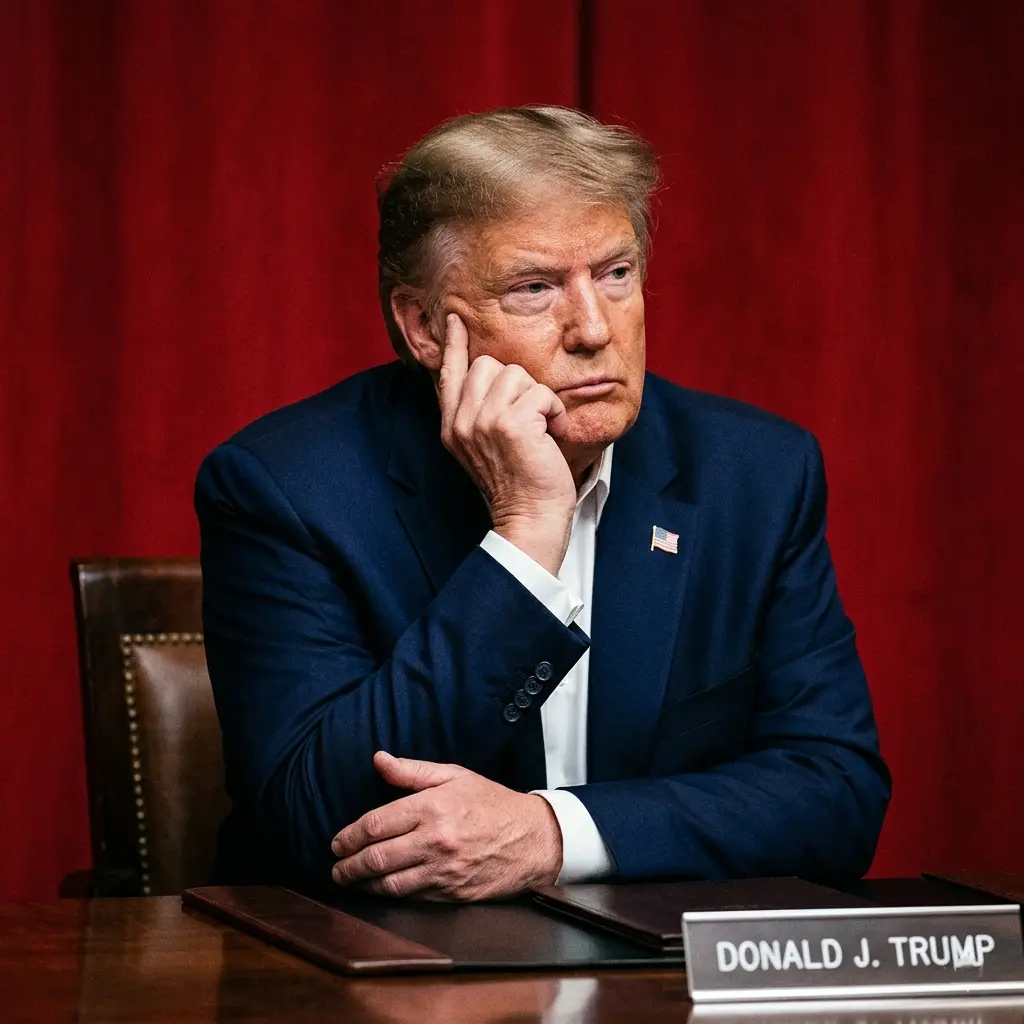
President Trump’s claims about Iran were too optimistic. He mentioned about the US Navy vessels escorting oil tankers in the Strait of Hormuz but multiple sources confirmed that the US Navy is not escorting any ship through the Hormuz. Trump has also stated that there is “practically nothing left to target” in Iran. This claim opposed by the ongoing scale of Iranian strikes throughout eleven countries. All this is underestimation of Iran’s war capabilities. Iran is not Iraq, Syria, Libya, or any other invaded country of the last two decades.
President Trump now needs to make a binary but profoundly uncomfortable decision. He can come up with his version of victory, such as assassination of Khamenei and the damage to Iran’s nuclear facilities, declaring a negotiated ceasefire. Alternatively, he can waste America’s very critical missile inventories, strengthening China’s strategic position, intimidating a global recession through energy crisis, and damaging the petrodollar system the US has dependent on for geopolitical advantage.
Time is not the same but now targets are not the same. President Trump needs to differentiate between persisting and winning, the clock is ticking on both counts.