


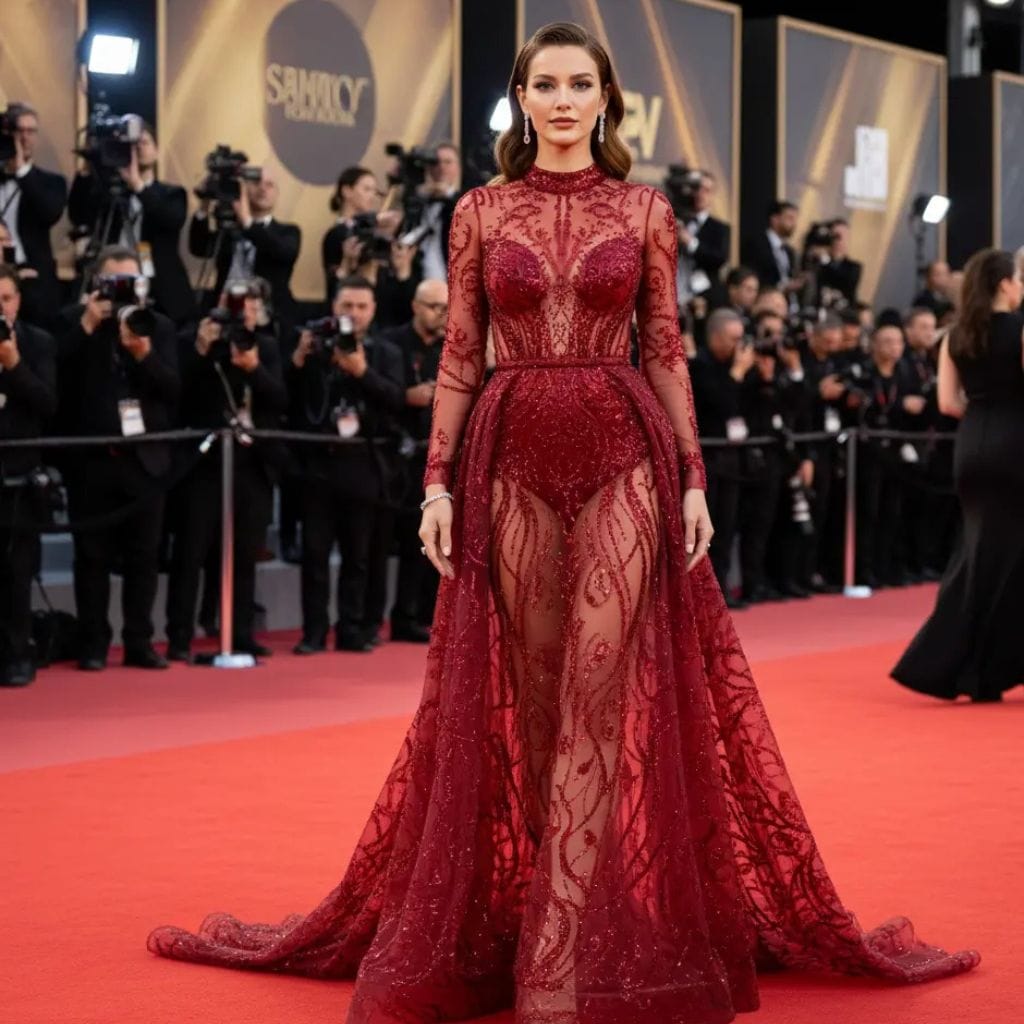
The fashion industry is vast, with a past stretching back as far as ancient Egypt. It has existed wherever women and men have had the desire and the resources to look good. Dressing reflects empowerment as well as a cultural shift. Celebrities are the role models whose styles and clothing are often followed by the public, changing the clothing preference from decent to bold. Often, mainstream celebrities wear bold clothes that reveal too much skin. This article explores why celebrities choose these looks and whether there are any event guidelines to discipline this.
Historical Roots
Dressing is always the center of attention in gatherings, ceremonies, and society. For example, Anne Baxter’s or Queen Nefertiri’s sheer or transparent dresses in The Ten Commandments were used for two reasons: (1) to show glamour, grandeur, or exoticism, and (2) to add sexual appeal to make Nefertiri seductive over Moses. However, the dressing also highlights the moral failure and indecency of that society. Many cultures in history, including Byzantines, Mesopotamia, Sassanid Persia, the Greeks, Banu Ismail, and Banu Qahtan, promoted decent clothing for women and even considered such attire respectable and prestigious.
The last half of the 20th century popularized sheer or see-through dresses. The Academy of Motion Picture Arts and Science require women to wear decent dresses, so they recruited Edith Head in 1953, a critically acclaimed designer. Despite the existence of the Head, female celebrities violate the dress code intentionally or unintentionally. For example, in 1968, Inger Stevens broke the dress code by wearing a mini skirt, and in 1969, Barbara Streisand wore an outfit that showed her body in camera flashes. While the jury notified such incidents and issued warnings to celebrities, Edith Head also warned the jury about an indecent fashion trend ahead. In 1970, Edith Head left his consultancy position, which allowed celebrities to wear what they wanted.

Barbara Streisand in a see-through dress: Getty Images
Why do celebrities choose sheer or see-through dresses?
Celebrities wear body-revealing dresses for different reasons. For some, this is autonomy instead of titillation. For others, it is empowerment to reflect body with confidence and oppose objectification. Marketing research argues that clothing, sunglasses, or wrist watches are the things that are self-expressive and inform about the personality traits of a person. When celebrities wear see-through dresses, they actually show their confidence, boldness, or willingness to oppose societal norms. This conveys to the media and industry that the celebrity likes trends, is stylish, and fearless, opening their recruitment in bold roles, like nude scenes or extensive intimate roles.
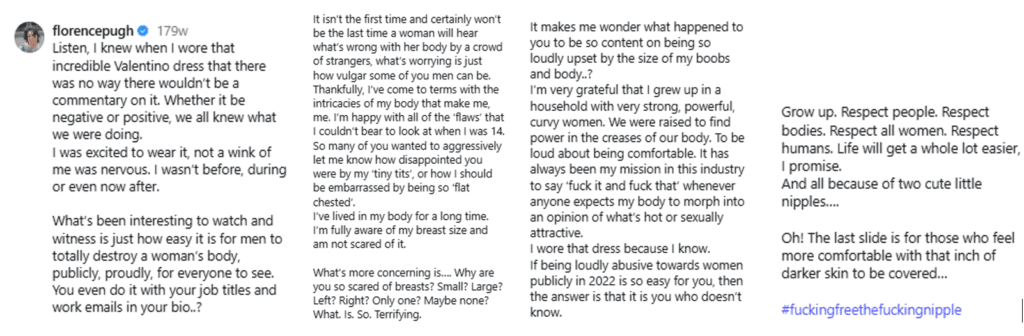
Celebrities wear sheer or see-through dresses to overcome their fear of being shamed. For example, small breasts are a shame for some women, so revealing dresses overcome this fear. This was exemplified in Florence Pugh’s Instagram post when she wore a sheer pink gown in 2022. Sydney Sweeney also wore a sheer dress to show confidence, challenge perceptions, and embrace bodies. Reasons, including empowerment, autonomy, confidence, challenging perceptions, and embracing bodies reflect Feminist views
Celebrities also wear sheer dresses due to female intersexual competition. For example, if an actress wore a sheer dress, then other actresses would try to outshine her by wearing a more revealing dress to get attention and status. Women have a habit of doing so out of evolutionary and social pressures in celebrity culture. The intersexual competition does not just stays to apparel, it also extends to physical features, such as expensive and unnecessary cosmetic procedures to look good.
Backlash from Fans and the Dress Code
Sheer or see-through dresses provide visibility to female celebrities but at the expense of public backlash. Fans expect celebrities to wear decent and modest dresses, reflecting that most of them are not interested in or attracted to bold attire.
Even the law requires the adoption of decency. For example, French law (Article 222-32) considers sheer dresses in public as a sexual offence resulting in imprisonment and penalties. Technically speaking, when a female celebrity wears a sheer dress on a red carpet, she is wearing it publicly, and the law applies to them. Film festivals also try to regulate the dressing of celebrities. For example, the Cannes red carpet openly mentions dress code on its website, which prevents female celebrities from wearing sheer or nude dresses as well as long tails that can obstruct other celebrities and create congestion. The festive aims to maintain decency. However, Oscar or Golden Globes are flexible in the dressing.
That explains that if festivals provide clear guidelines regarding dress codes, celebrities won’t wear revealing clothes. Other festivals should follow the Cannes standard to promote decency instead of nudity or vulgarity. The key takeaway is that decency is what defines women. Showing body to others highlights insecurity and a below-par attempt to get the attention of others