Reviews have long played a key role in purchase decisions. Whether you decide to travel or purchase an expensive device, you need reviews to identify which product will solve your problems or fulfil your needs. It is like a consultation or taking recommendations from experts or those who previously experience a product/service. Previously, this consultation was done offline. For example, if you are travelling to Hawaii for a honeymoon so you call a friend who visited Hawaii last year and ask how this place was, which places are best to visit, and what are the suitable accommodation options. Likewise, if you are undergoing a face surgical procedure, like PRP (Platelet-Rich Plasma), so you would ask the surgeon if you can provide results of previous customers.
With digitalization, the reviews are now collected online through communities like Facebook, search engines, or websites. Recent stats suggest that 93% of consumers rely on online reviews before making a purchase decision. This indicates the significant influence of reviews on business success. Reviews have the potential to generate a sale or improve brand reputation. They can build trust, improve services, or drive growth. In this article, we will explore the importance of reviews.
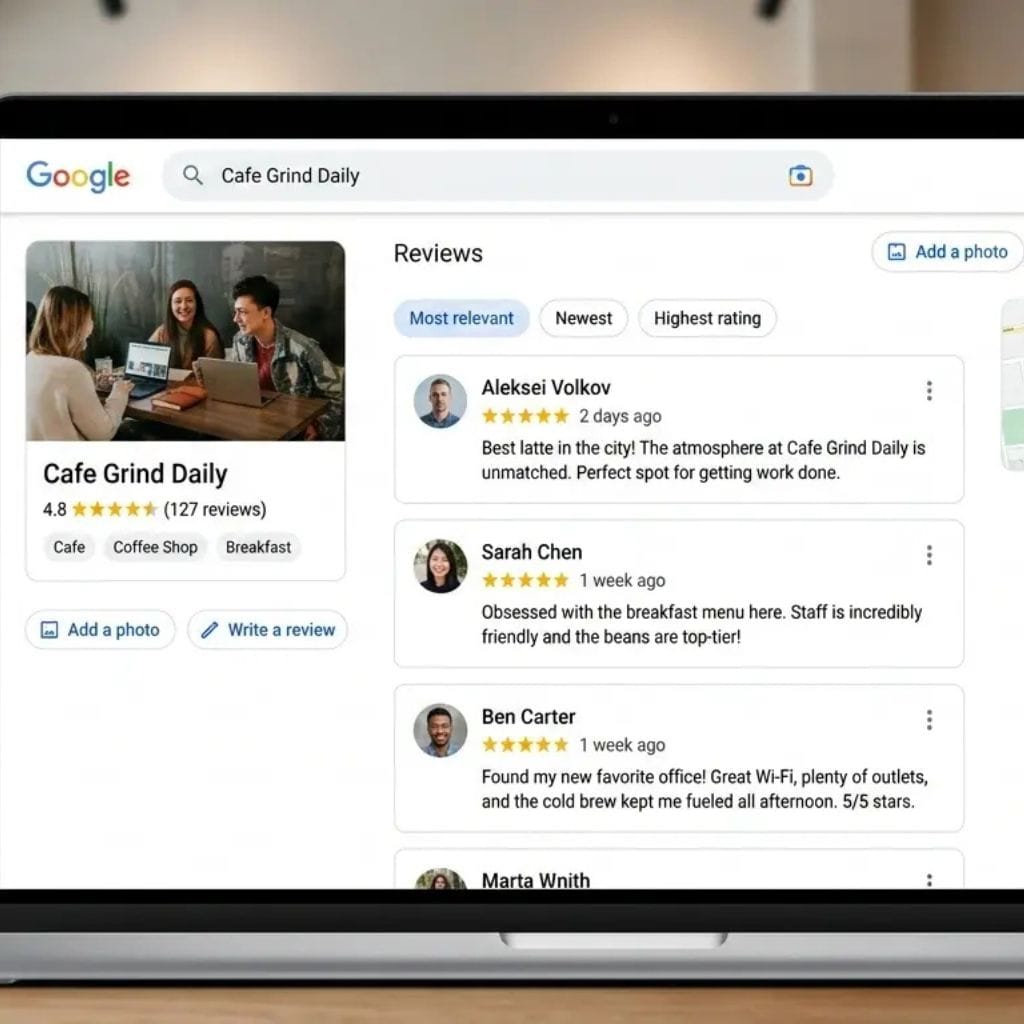
Customers often rely on product reviews as a source of information to help them make purchasing decisions. Consumers view reviews as more authentic than advertising. One recent study found that 82% of consumers use online reviews when selecting local businesses, influencing purchase decisions twice as much as price or location. Along with a more informative product benefit description, providing customer reviews is a pre-purchase service that businesses can offer to their customers.
According to a recent research report published by Frontiers in Psychology, social proof demonstrated by positive review postings is likely to increase purchase intent, while negative posting discourages purchase intent. Eye-tracking examination shows how much time users spend viewing product reviews suggest authentic user experiences have more influence on purchase decisions than marketing messages. In a narrative review published in 2024, researchers documented how online review postings affect consumer purchasing behavior. The reviews reduce perceived risk for high involvement purchases (e.g., electronics, travel). For businesses that do not utilize this behavioral influence of online review postings, the risk of losing customers is great, because 73% of all online reviews are found on Google.com, the single largest search engine in the world.
Besides influencing purchase, online reviews can also turn a lead into sales. The Medill Spiegel Research Center identified that reviews increase the likelihood of sales, with impacts varying depending on the number of reviews and star ratings. Businesses that have positive reviews experience 31% increase in consumer spending. A Harvard Business School study on Yelp.com showed that if a rating increased by one star, it would increase revenue by 5-9% revenue. Rating and reviews both have different effects on revenue. Textual reviews are better at generating revenue than ratings. Written reviews are more detailed and help the buyer to make an informed decision.
Customer reviews play a critical role in service quality management, particularly negative reviews significantly impact customer expectations and decisions (Caruana et al., 2020; Elliot et al., 2018). One experimental study identified that responding to the reviews in a timely manner, especially negative reviews, and is a reliable indicator of exceptional customer service. Responding to negative comments on time indicates that the company values the customers’ opinion, which is a guarantee of paying attention. Because of this, most customers are more likely to change their minds and decide not to write a negative review.
Responding to customer reviews is an important aspect of branding and customer service, but it also serves as an immediate way of building visibility. According to a 2018 study conducted on TripAdvisor, responding to reviews timely could also increase ranking on TripAdvisor, which is a crucial factor affecting tourists’ decisions in choosing the destination. Therefore, businesses need to improve customer reviews’ responses to establish a trustworthy brand.
Some Strategies for Review Management
Businesses can use some small strategies for review management. Businesses need to respond to negative reviews promptly, ideally within 24 hours, and must personalize their response to reflect empathy. This may require hiring staff to monitor and respond to reviews. Secondly, negative reviews discourage potential customers; no review is another red flag. Businesses must encourage customers to provide reviews by sending them follow-up emails or providing some sort of incentive. Third, businesses need to train staff to respond to reviews empathically. For example, staff can apologize, provide solutions, and follow up later.
These options do have a cost, but the benefits will outweigh it for sure. Businesses that cannot afford to recruit dedicated employees to respond to reviews can outsource this task to a third party. In the digital age, only those businesses thrive that know when and how to respond to reviews effectively.